
Why Pickleball Feels Easy… Until It Doesn’t
At the start, pickleball feels simple enough. You get the ball over the net, rallies happen, and for a moment it feels like something you’ll figure out quickly.
Then suddenly… things don’t add up.
A point stops. Someone calls a fault. You lose a rally and you’re not exactly sure why.
That’s where most beginners get stuck. Not because the game is difficult, but because a few rules sit quietly in the background and affect everything. If you don’t notice them early, the game starts to feel random.
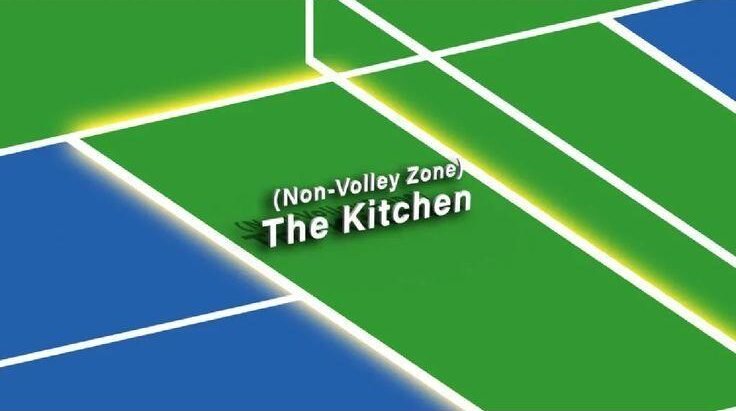
The Kitchen Rule (Non-Volley Zone) Explained
What beginners usually do
Most new players treat the area near the net like any other part of the court. Step in, hit a volley, move on.
What actually matters
The “kitchen” changes how the game works near the net:
- You can stand inside it—but you can’t volley from there
- If you’re inside, the ball has to bounce first
- Your momentum after a volley can’t carry you into it
Real-life example
You hit a clean volley and feel confident about the point. Then someone says, “Kitchen.”
You look down—and your foot is on the line.
Why it matters
This is one of those rules that seems small at first. But once you start noticing it, you realize how often it affects points. It’s less about the shot itself and more about where you are when you take it.
The Double Bounce Rule (Two-Bounce Rule)
Quick breakdown
| Situation | What actually happens |
|---|---|
| Serve | Must bounce once on the receiving side |
| Return | Must bounce once back on the serving side |
| After that | Players can volley freely |
What beginners get wrong
Rushing forward too early and trying to take control before both bounces happen.
Real-life example
You step in quickly and hit the ball before it bounces. It feels like the right move—but it’s a fault.
Why it matters
This rule catches people because it goes against instinct. Most beginners want to attack early, but here, patience actually helps you more.
Pickleball Scoring Rules (Doubles and Singles)
What beginners assume
Win a rally = win a point.
What actually happens
- Only the serving side can score
- Doubles uses three numbers (e.g., 5–3–1)
- Singles uses two numbers but follows the same logic
Real-life example
You win a long rally, feel good about it—and then nothing changes on the scoreboard.
That’s usually when it clicks that something’s missing.
Why it matters
Once scoring makes sense, the game feels much clearer. You stop guessing and start understanding the flow.
Pickleball Serving Rules (Common Mistakes)
What beginners focus on
Just getting the serve in.
What actually matters
- Underhand serve
- Contact below the waist
- Upward paddle motion
- Ball lands diagonally in the correct box
Real-life example
Your serve lands perfectly, but still gets called out—because of how you hit it, not where it landed.
Why it matters
Serving is one of the few moments fully under your control. Fixing it early saves you from easy mistakes later.
Line Calls: The Part That Feels Awkward
What beginners do
Hesitate or avoid making close calls.
What actually matters
- You call lines on your side
- If unsure, the point usually goes to the opponent
Real-life example
The ball lands close. You’re unsure, say nothing, and keep playing. Later, there’s confusion about the call.
Why it matters
Clear calls keep the game smooth. No awkward pauses, no unnecessary tension.
Court Positioning (A Quiet Advantage)
What beginners do
Stand wherever feels comfortable.
What actually matters
Position depends on:
- Serving or receiving
- Partner positioning (in doubles)
- Anticipating the next shot
Real-life example
You stay too far back after returning a serve. Your opponent drops a soft shot near the net—you see it, but you’re just too far to reach it.
Why it matters
Better positioning doesn’t just help you react faster—it often saves points without extra effort.
Why These Rules Matter More Than You Think
At first, these rules don’t seem like a big deal.
But in a real game, they explain a lot:
- Why you lose certain points
- Why rallies feel inconsistent
- Why experienced players seem more in control
Once you understand them, the game starts to feel less random and more predictable.
Learning the Rules Without Overthinking It
You don’t need to sit down and memorize everything.
Most of it comes naturally:
- By playing regularly
- By watching others
- By noticing small mistakes and adjusting
Sometimes, when something doesn’t make sense, it helps to check a simple explanation. For example,
Pickleball Frontiers (https://pickleballfrontiers.com/) shares practical breakdowns of common situations, which can make things clearer without overcomplicating them.
Final Thoughts
Every beginner goes through this phase.
You play, something feels off, you’re not sure why—and it repeats for a while.
But once a few of these rules start making sense, things change. Not dramatically, just enough that the game stops feeling confusing.
You start reading situations better. You hesitate less. And slowly, it all begins to feel natural.
The goal isn’t to learn everything—it’s to understand what actually affects your game.